COOKING FOR BOYS: SISSY STUFF?
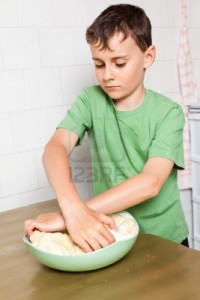 “Cooking is freedom,” writes Jim Sollisch in the NY Times. His reference is to men—boys & young men. It’s a curious incongruity in our culture that while cooking by boys & young men has been considered effeminate, as adults, women inherit the kitchen, men tower over them as chefs. While in junior high young Jim Sollisch felt the effects of sexual discrimination/segregation: boys were required to take shop, girls home ec. No co-ed in these. At least not in the 1970s. He protested and won—not on segregation, but he did get all-boy’s home ec classes for himself & two dozen comrades.
He secures his point that not being solely dependent on others for one of the most elemental human acts, frees you to choose what you eat & to experience the joy of your creations. And the special attachments that come from sharing what you have made.
“Too much trouble”
I’ve loved to cook for as long as I can remember & was constantly looking for new tastes but hadn’t much know-how in the kitchen. Cooking, for my mother, was something to get done as quickly & effortlessly as possible, then do up the dishes. Anything beyond a few basics was “too much trouble.” I don’t recall ever eating out while growing up. As a young sailor my first assignment was in San Francisco, and while Navy cuisine was not famous, except for its monotony, I was suddenly thrust into one of the earth’s most diverse gastronomical cities.
Conversion
After leaving the military & bidding San Francisco farewell, I expanded my culinary delights but as I was to find years later, didn’t know how to cook. I wasn’t one of those gifted individuals who intuitively know how to put this with that & have some inkling of what might emerge. But I got by. Then later in life, as fate would have it, I was without a job. But near where I lived I discovered a Cordon Bleu cooking class that was free. There was also a marvelous open air market where you could buy basic foods for the classes & take home your creations. Classes were 3 mornings each week: on Mondays we learned how to make starters, Wednesdays main courses, & on Fridays deserts—each week a new menu for our repertoire. I ate well for 3 days & there were leftovers! On arrival I found the course was mainly for brides & those who wanted to spruce up sagging marriages. I was the only male among 20 or so women. As we progressed I was constantly embarrassed to think back to some of the appalling concoctions I had served my friends for two and more decades. But a curious thing happened. It wasn’t long after the course got underway that the marvelous instructor began calling on me to assist some of the women who were lagging behind—me a neophyte in the cuisine! Needless to say, I survived that first experience & took every other course that Val offered.* I had no ambitions to become an Americanized Georges Escoffier but those courses not only put me at ease in the kitchen, they changed my outlook on how we eat & a great appreciation for all those who make up the art of dining well.
I don’t suppose boys taking a cooking class today is any big deal now that cooking has been elevated to the culinary arts & Fox’s MasterChef Junior will attempt to balance young genders in the kitchen. But as Mr Scollisch infers, boys can acquire culinary skills on a par with those in the playing fields.
*See Simply Paris (Chapter 4 ) for a spoof on teaching French cooking based on Val’s classes.